Para Rowing: High Performance & Sport Without Limits
Derg Rowing Club specialises in para rowing on Lough Derg. We tailor the boat, seating, and support to your individual movement and goals.
A Sport Tailored to the Individual
Para rowing is the formally classified sporting discipline that bridges athletes from their very first strokes on the water through to national squad training and international Paralympic pathways. What makes rowing unique is that while the boat, oars, and the lake remain the same, the contact points inside the boat—the seat, footplates, backrest, and strapping—are customized around the athlete's functional movement.
At Derg Rowing Club, athletes travel from Clare, Limerick, Galway, and Cork to train with our coaches. Whether your goal is enjoying peaceful, confidence-building rows across Lough Derg or advancing through national selection pathways with Rowing Ireland and Paralympics Ireland, our doors are open.
World Rowing Para Classifications
Para-rowing is structured into three standardized functional sport classes defined by World Rowing. These classifications ensure fair competition based on functional ability.
| Class | Former Name | Functional Description | Required Equipment & Adaptations |
|---|---|---|---|
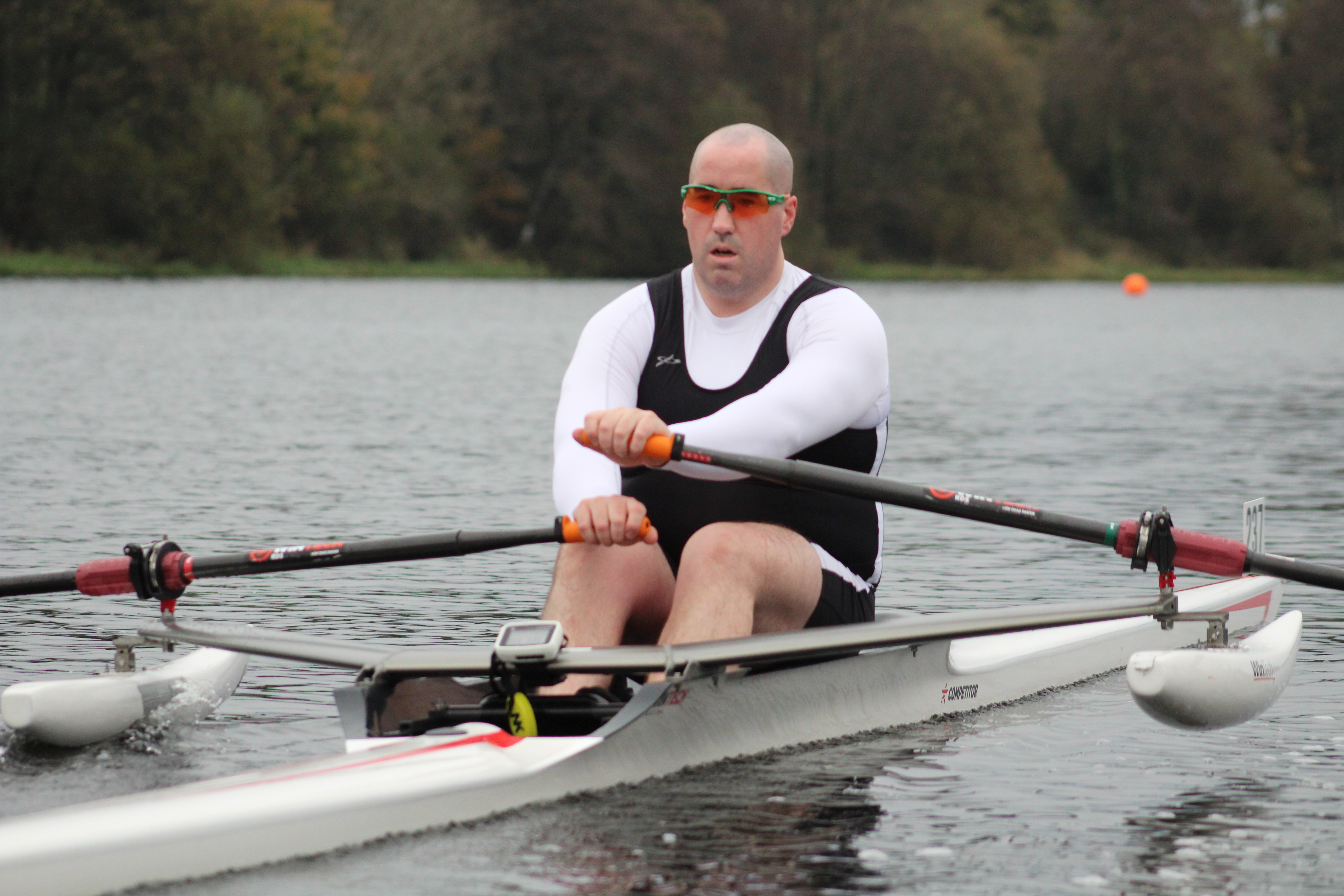
| PR1 | AS (Arms & Shoulders) | Rowers who have minimal or no trunk function (e.g. spinal cord injury at T12 or higher). Rowers primarily use arm and shoulder movement to propel the boat. Competes in single sculls (PR1M1x, PR1W1x). | Fixed seat with supportive backrest, adjustable chest and lap straps, and quick-attach stabilising pontoons fitted to the riggers. |
| PR2 | TA (Trunk & Arms) | Rowers who have functional trunk and arm movement but unable to use the sliding seat due to significantly reduced lower limb function. Competes in mixed double sculls (PR2Mix2x) and pairs. | Fixed seat with lap strapping. Stabilising pontoons can be fitted based on individual stability preferences. |
| PR3 | LTA (Legs, Trunk & Arms) | Rowers who have functional use of legs, trunk, and arms, including rowers with visual impairments (VI B1, B2, B3) or mild physical impairments. Uses standard sliding seats. | Standard sliding seat shell. For visually impaired scullers, our silent electric launch runs alongside providing live directional audio calls. |
*Source: World Rowing Para Rowing Classification Regulations (Appendix R15), Rules of Rowing (effective January 2025). Official national and international classification is conducted by certified World Rowing classification panels.
Specialized Para-Rowing Equipment
Safety is built directly into every shell. We utilise certified para-rowing equipment designed to ensure absolute boat stability and athlete confidence.
WinTech Stabilising Pontoons
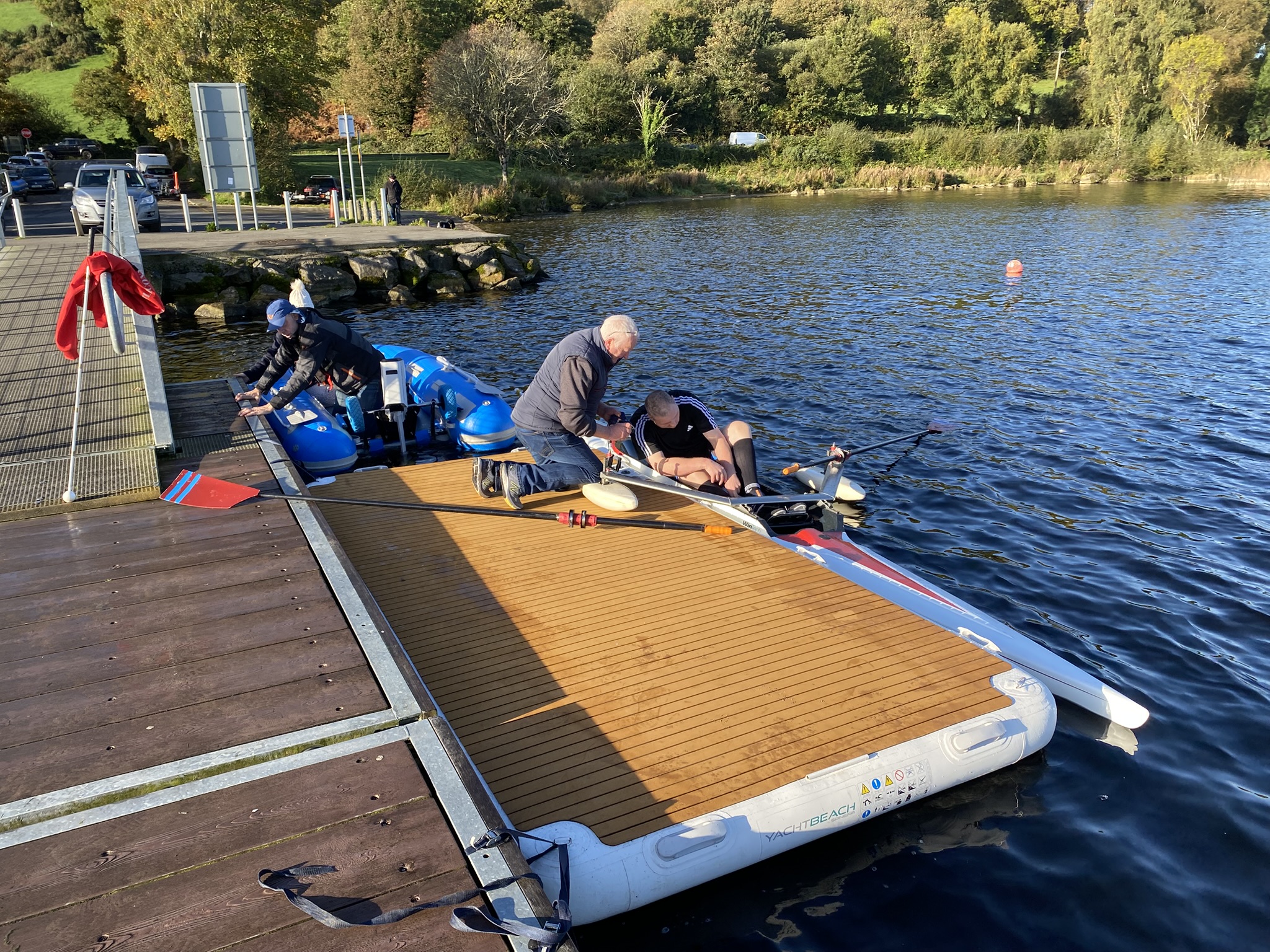
Aerodynamic buoyancy floats attached directly to each outrigger. By creating wide lateral floatation points, pontoons make single and double sculls virtually un-flippable, eliminating capsize anxiety.
Custom Fixed Carbon Seating
High-backed, ergonomic carbon seats with adjustable lateral wedges and padded support. Padded chest and pelvic quick-release straps ensure athletes remain comfortably upright without sliding.
Silent Electric Safety Escort
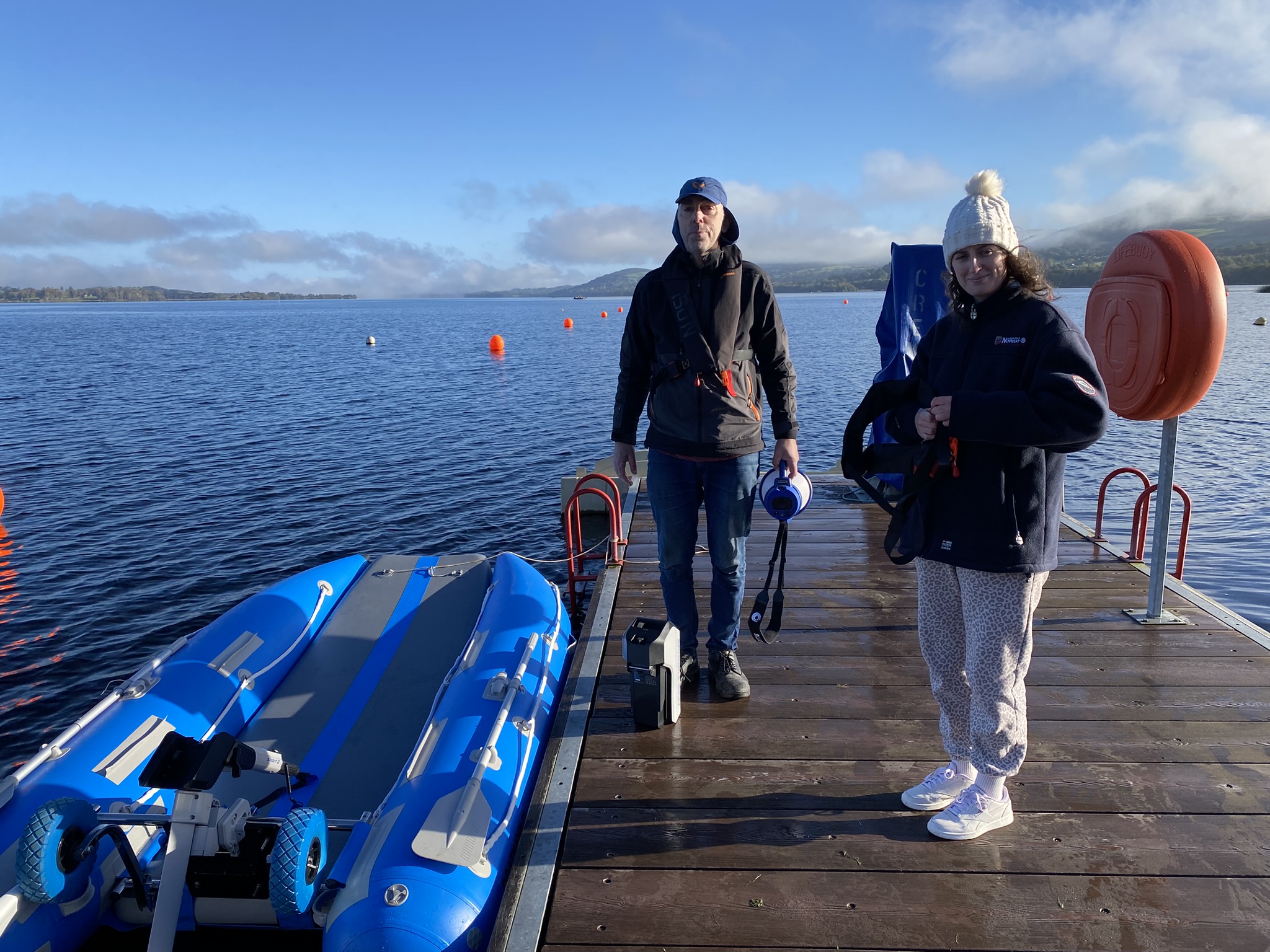
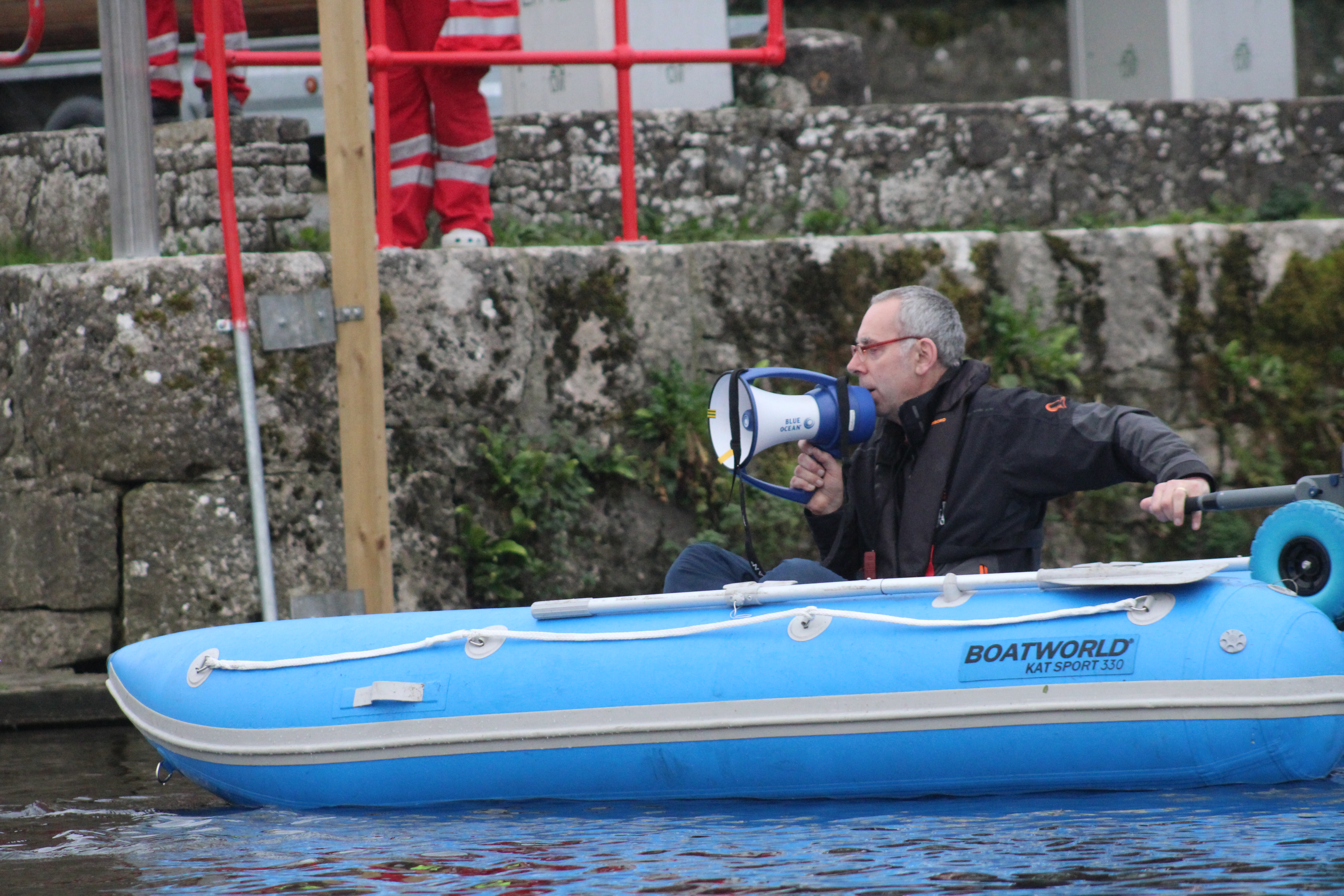
Our 100% electric outboard coaching launch travels alongside every session. Because the motor is whisper-quiet, coaches communicate directly at normal speaking volume with visually and hearing-impaired athletes.
Rowing in Plain English
Rowing has its own vocabulary. Here are plain-language definitions for key terms used across our club and para rowing sessions.
- Sculling
- Rowing with two oars, one in each hand. Single sculls (1x) are the primary boat type used for individual para-rowing.
- Sweep
- Rowing where each rower holds one oar with both hands (typically in pairs, fours, or eights).
- Riggers
- The metal arms attached to the side of the boat that support the rowlocks and hold the oars securely in place.
- Stabilising Pontoons (Floats)
- Aerodynamic buoyancy floats securely fixed to the riggers of the boat. They keep the boat stable in the water and make capsizing virtually impossible.
- Pontoon (Dock)
- A floating platform at the water's edge where rowers embark and disembark. Our Two Mile Gate pontoon has ultra-low freeboard so the dock is level with the boat seat.
- Fixed Seat vs Sliding Seat
- A fixed seat remains stationary and supports rowers who row primarily with arms and trunk (PR1 & PR2). A sliding seat rolls smoothly along rails to use leg drive (PR3 and able-bodied rowing).
- PR1, PR2, PR3
- The official World Rowing para classifications: PR1 (Arms & Shoulders), PR2 (Trunk & Arms), and PR3 (Legs, Trunk, Arms, and Visual Impairments).
What Happens at Your First Taster Session?
We know trying a new sport can feel daunting. Here is our relaxed, step-by-step approach:
- Quiet Boathouse Arrival: Meet coach Brice and our volunteers at Two Mile Gate. We discuss your movement, comfort levels, and any access preferences.
- Dry Land Setup: Adjust the seat, foot stretcher, and backrest support on land before the boat is ever placed on the water.
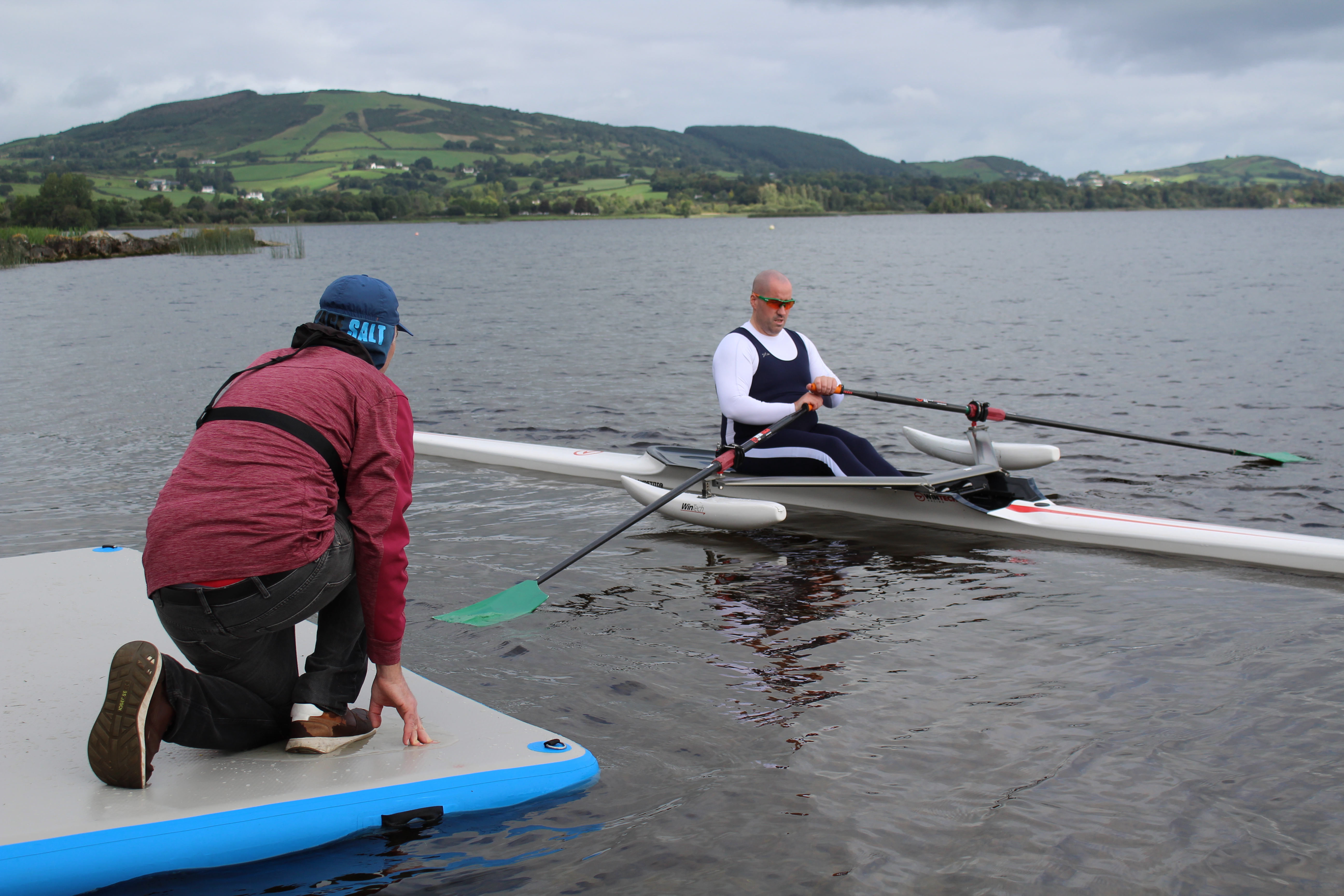
- Assisted Pontoon Transfer: Our shore team holds the boat completely still against our low-freeboard pontoon as you transfer smoothly into the seat.
- Gentle Water Practice: Push off onto calm water with pontoons attached and our coach alongside in the silent launch. No pressure, no rush—just the peaceful feeling of gliding across Lough Derg.